
Flow Your Own Flow

Finding flow on the water and behind the camera through attention, practice, and presence.
I’m taking a small detour this week and sharing an older article I wrote for Ocean Paddler Magazine. It appeared in issue 74a, which I believe was the magazine’s final issue.
This was my 21st photography article for Ocean Paddler, part of a long-running series called Making the Shot. Over the years, I also wrote a separate series of navigation articles for the magazine—essentially a complete guide to sea kayak navigation—as well as another photography series.
At some point, I should probably gather all of those old articles into an ebook. Unfortunately, I’m missing a few issues of the magazine. If you happen to have PDF copies of older issues and are willing to share, I’d love to track down the ones I’m missing.
I’m including four of the original photographs from this article, as selected by the editor, along with the author credit that originally appeared at the end of every piece.
Making the Shot 21: Flow your own flow
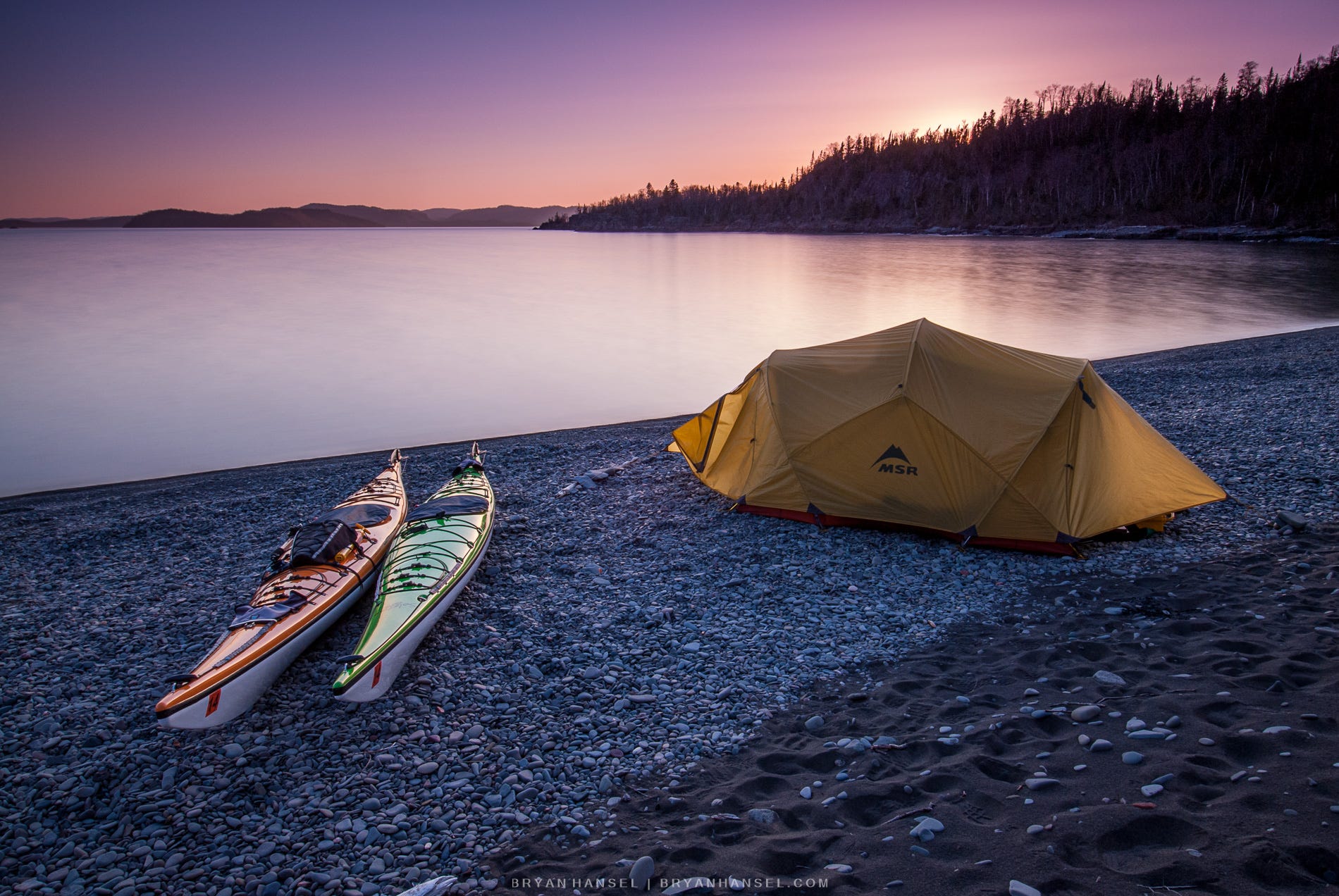
After only a few hours of sleeping soundly in my sleeping bag, the alarm on my watch started to buzz. It was mid-summer and four am, an hour before sunrise. I slipped quietly out of my tent and past the tents of my friends. After moving several kayaks down near the water, the waiting game for the pinks, oranges, and yellows of dawn began.
While waiting and getting the composition and camera ready, time disappeared, thinking about the camera disappeared and I automatically placed a three-stop reverse ND grad filter into the filter holder on my camera. The grad would darken the sky and reduce the dynamic range between the bright sky and dark ground to allow the camera to capture a bright foreground without losing or blowing out the detail in the sky, but I didn’t think about that. I knew intuitively that the filter was the right one. I turned the camera’s front command dial without thinking to an aperture of f/11, which would give enough depth of field to have the kayaks and the background in focus.
Then I waited until the decisive moment and made the shot.
I was in a flow state – a state of being completely immersed and focused on the act of photography and experiencing the sunrise. While I can speak of the ‘I’ afterward, when in the flow there is no ‘I.’ Afterward, the state of flow is an indescribable state of being one and the same as the activity. There’s nothing else. There’s no ‘I’ – just making the photograph.
Throughout the years, the flow state has come often when photographing, kayaking or participating in other outdoor activities, and to a lesser extent when taking part in activities that seemly are boring. At first, it didn’t happen all that often, but the more it happened, the more common it became.
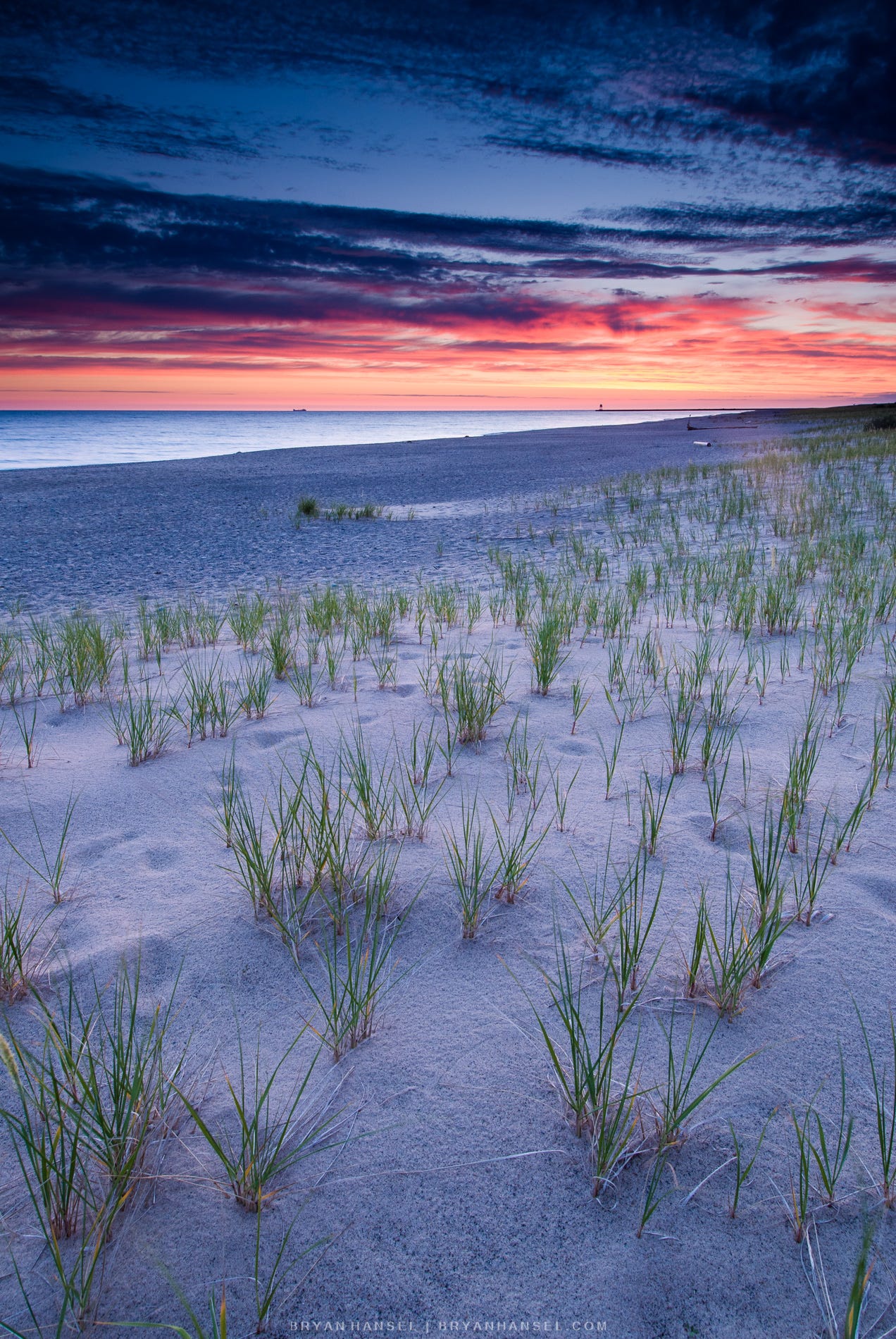
Early in my life, I decided to help cultivate the feeling. First, I started with the tasks that were simple but exceedingly boring, such as washing the dishes. For a few moments I’d get into a flow state and then my mind would start to wander, and I’d think about this, that and other things. Once I realized my mind wandered, I’d acknowledge that it wandered and bring my focus back to the task at hand. I eventually started to try this on everything I did. Sometimes, it would work and sometimes it wouldn’t. Eventually, though, it became natural to slip into a state of being where I was just doing what I was doing and not having my mind be somewhere else.
As that started to happen more often, I found that it became a more natural state and that when doing photography, the state allowed for more creative and imaginative compositions. When friends have observed me in those states, they always claim that everything looks so natural, so easy and how simple it looks for me to find a shot.
During my workshops, I’ve witnessed similar states in my students. After the initial classroom time and a couple of field sessions, students stop thinking about the techniques they’ve learned. Instead of having to worry about settings and composition techniques, they start to take those actions automatically and become immersed so deeply in photography that they become that action for a few moments.
During these flow states in students, I’ve seen epiphany or ‘a-ha moments’; the student suddenly understands something that has eluded them – often for years of workshops with me and other instructors.
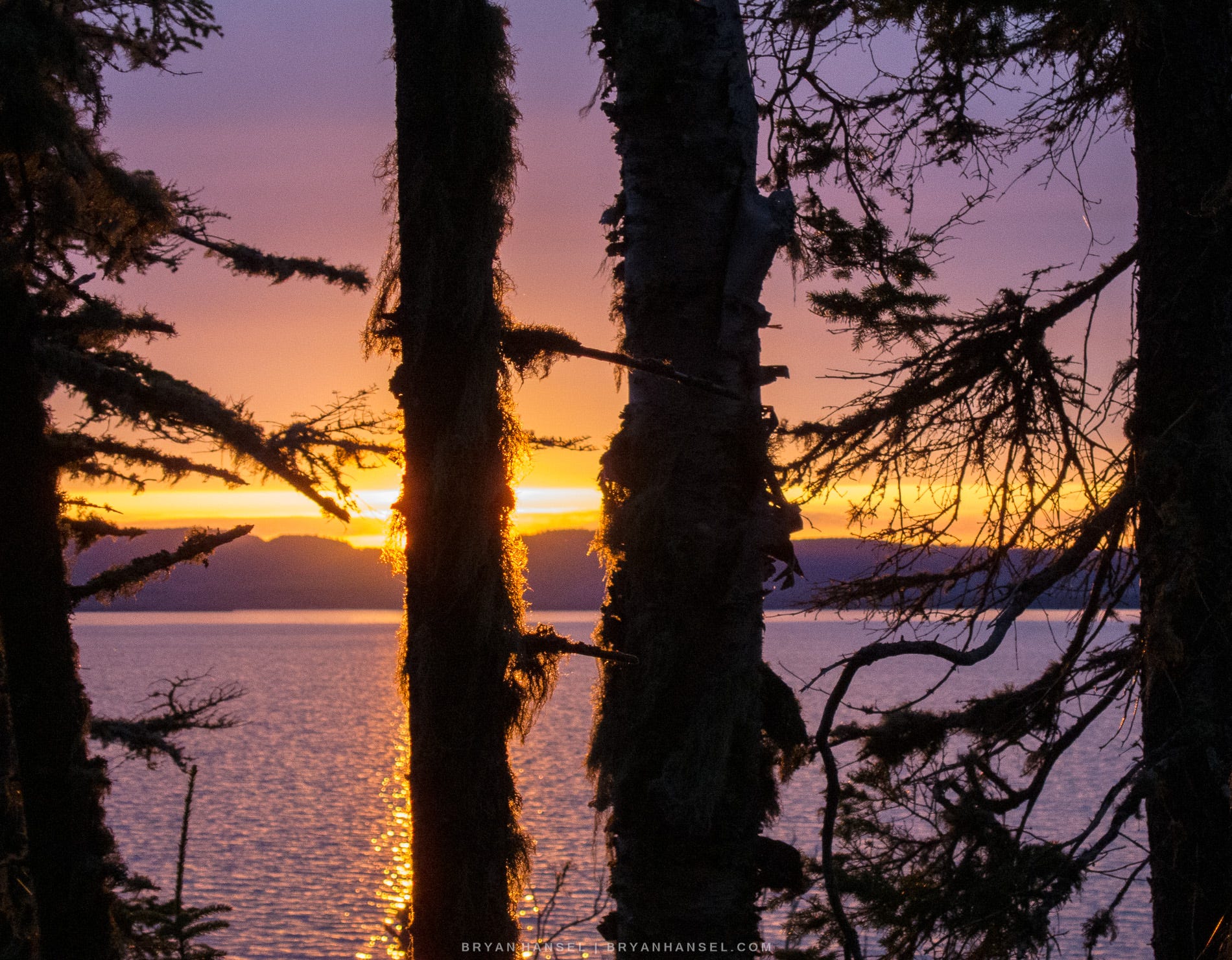
It’s hard to say that it’s magic, but it reminds me of Arthur C. Clarke’s Third Law: Any sufficiently advanced technology is indistinguishable from magic. Except, in this case, any sufficiently advanced state of mind feels like magic. While a tangent, it relates to kayaking through a Loren Eiseley quote, ‘if there is magic on this planet, it is contained in water’.
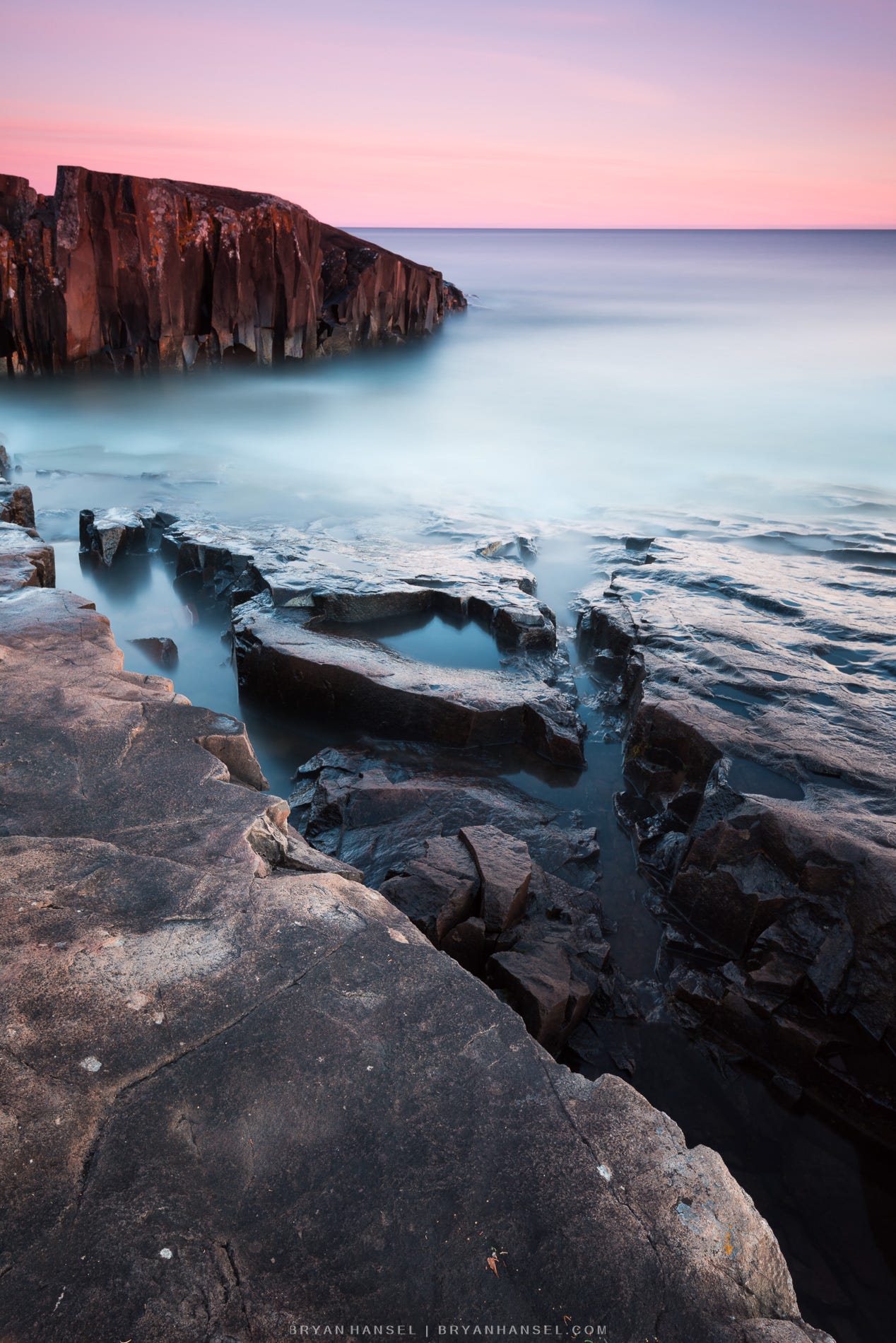
How do you cultivate this feeling and slip into it when you’re photographing? I wish I knew. As far as I can figure, you need to practice photography until you aren’t questioning your choices.
You should know what each camera setting does without having to consult a manual or book. Then you should practice being completely involved in the moment with whatever task you are performing. If you are mowing the lawn, concentrate on mowing the lawn. Feel what it’s like to do that. If you notice your mind wander, then think that it’s okay for your mind to do that before bringing your awareness back to mowing the lawn. Do the same when kayaking. Eventually, you may experience a flow state.
Once you experience a flow state, it’s easier for the next one to come. Like everything else in which practice improves your skills, practicing photography and practicing awareness of being in the moment will help lead to future flow states.
When you start to have flow states often, you’ll notice that your photography advances. To get there you have to flow your own flow.
About the author
Bryan Hansel is a freelance writer, award-winning photographer and a former American Canoe Association L4 Open Water Coastal Kayaking Instructor. His home port is on Lake Superior in Grand Marais, Minnesota.
Bryan blogs at www.paddlinglight.com and you can see his photography at www.bryanhansel.com.
Until next time
I hope you enjoyed this small blast from the past. It’s been a bit of a trip for me to read it again after all these years.
I’ll see you again in two weeks.
Thanks for this piece on the flow state. I find this happens in both art and while writing. I’d like to quote you while teaching little classes on these that I do through Community Ed. Would that be okay? Thanks!
Seems very much like zen archery: maybe, the camera that is not aimed.