

The last few weeks have been rough here in northeastern Minnesota. Wildfires continue to burn in and around the Boundary Waters, although fire conditions have finally given us a week-long break from the smoke.
A few days ago someone asked if I’d been out photographing the fires.
I told them no.
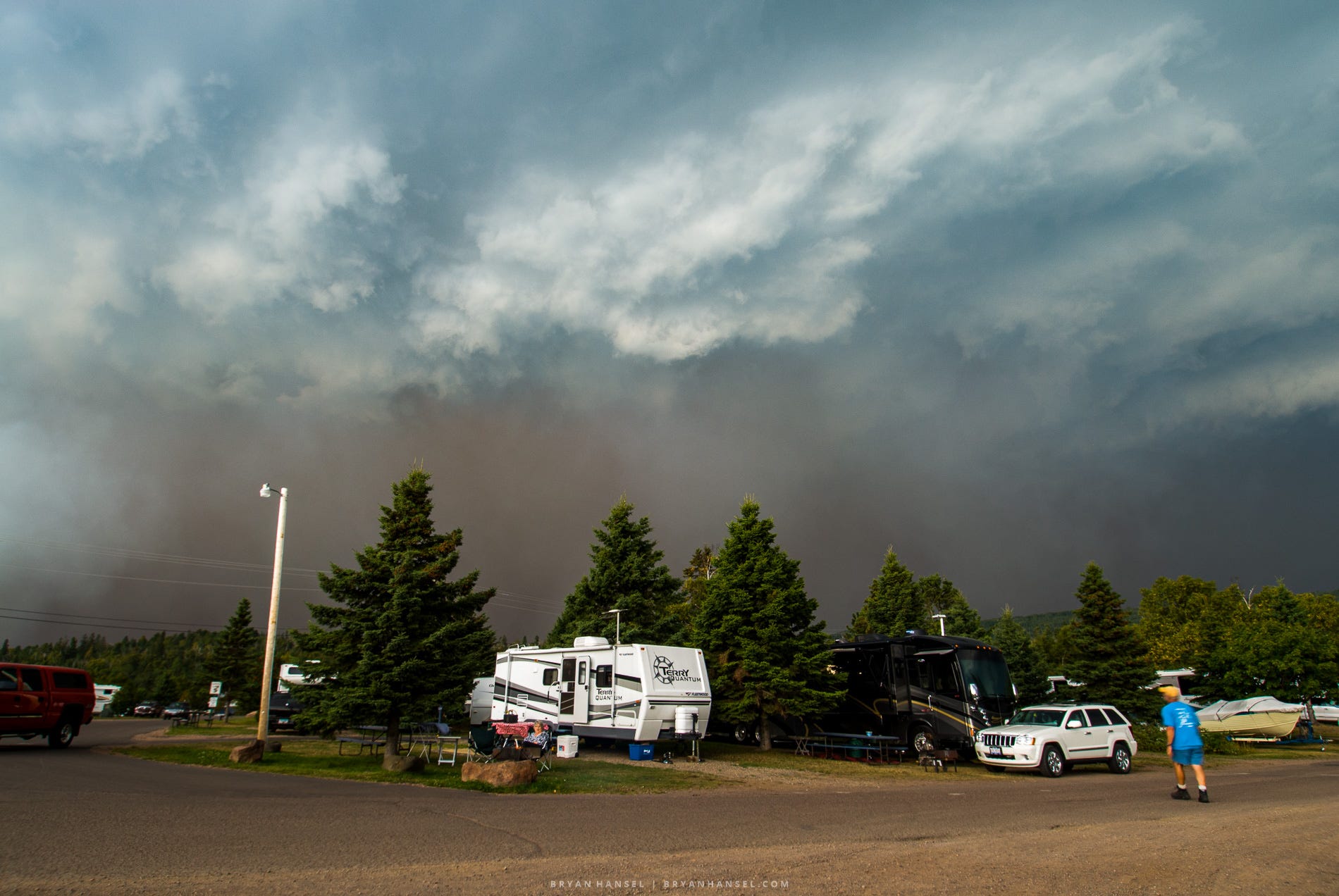
That might seem surprising coming from a landscape photographer, because dynamic conditions make for compelling photographs, and there are likely striking images to be made. But not every photograph that can be made should be made.
Wildfires aren’t tourist attractions. They are active emergency scenes. Firefighters, pilots, and incident crews are working long days under dangerous conditions, and they don’t need photographers getting in their way. That’s especially true when it comes to drones. If an unauthorized drone enters restricted airspace around a fire, aircraft supporting firefighting operations may have to stop flying until it’s clear.
That doesn't mean wildfires shouldn't be documented. Photojournalists and photographers working with fire agencies help tell that story while coordinating with incident managers so they can do their jobs safely and without disrupting firefighting efforts.
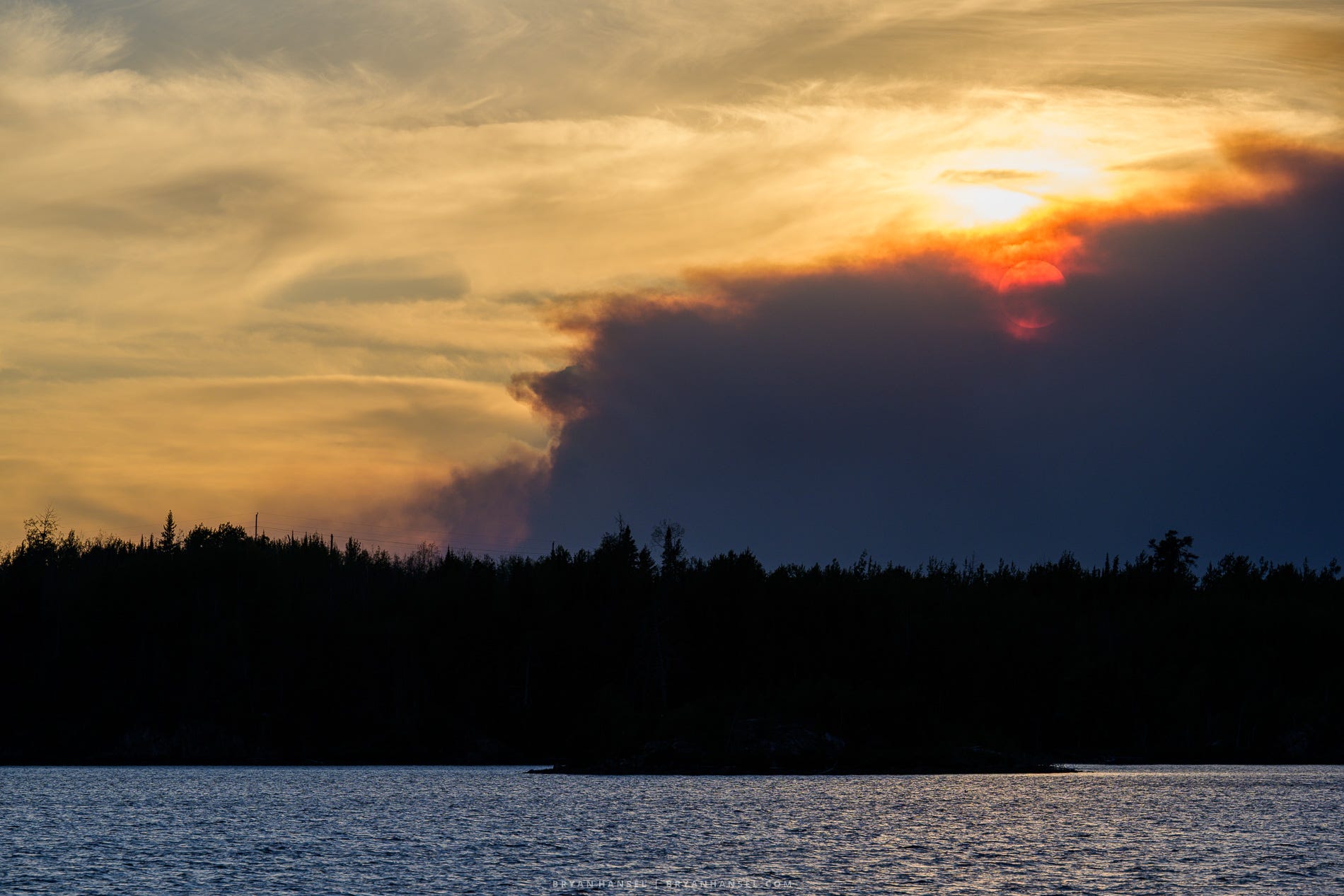
Outside the fire zones, there are stories photographers can tell, and there will be plenty of time to photograph the aftermath of the fire. There’s a story of the burned forest, the lost campsites and structures, and the eventual recovery. But while the firefighters are still doing their work, I think the best place for most of us is somewhere else appreciating and photographing the countless beautiful places that aren't at the center of the emergency.
Sometimes the best photograph is the one you choose not to take.
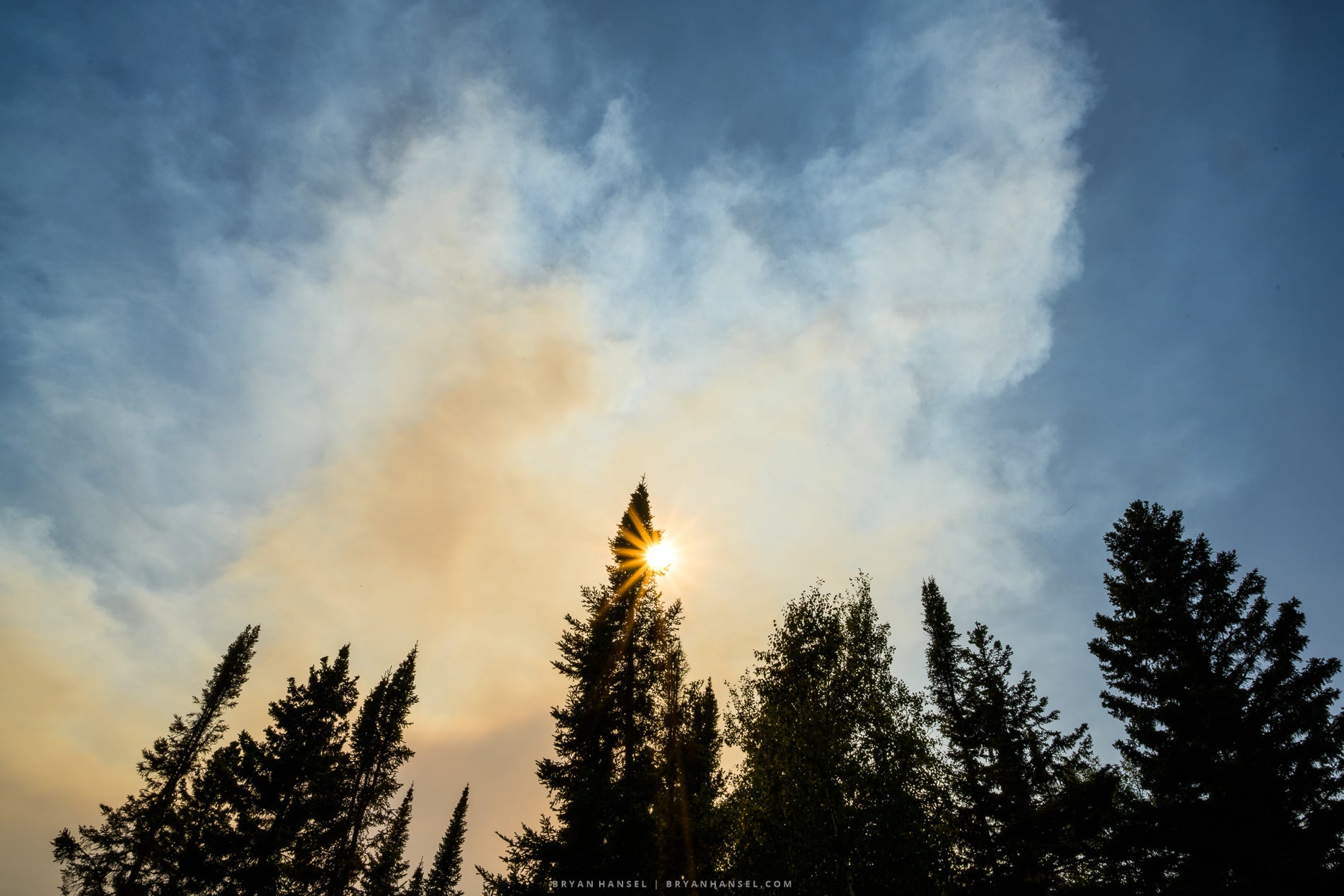
Until next time
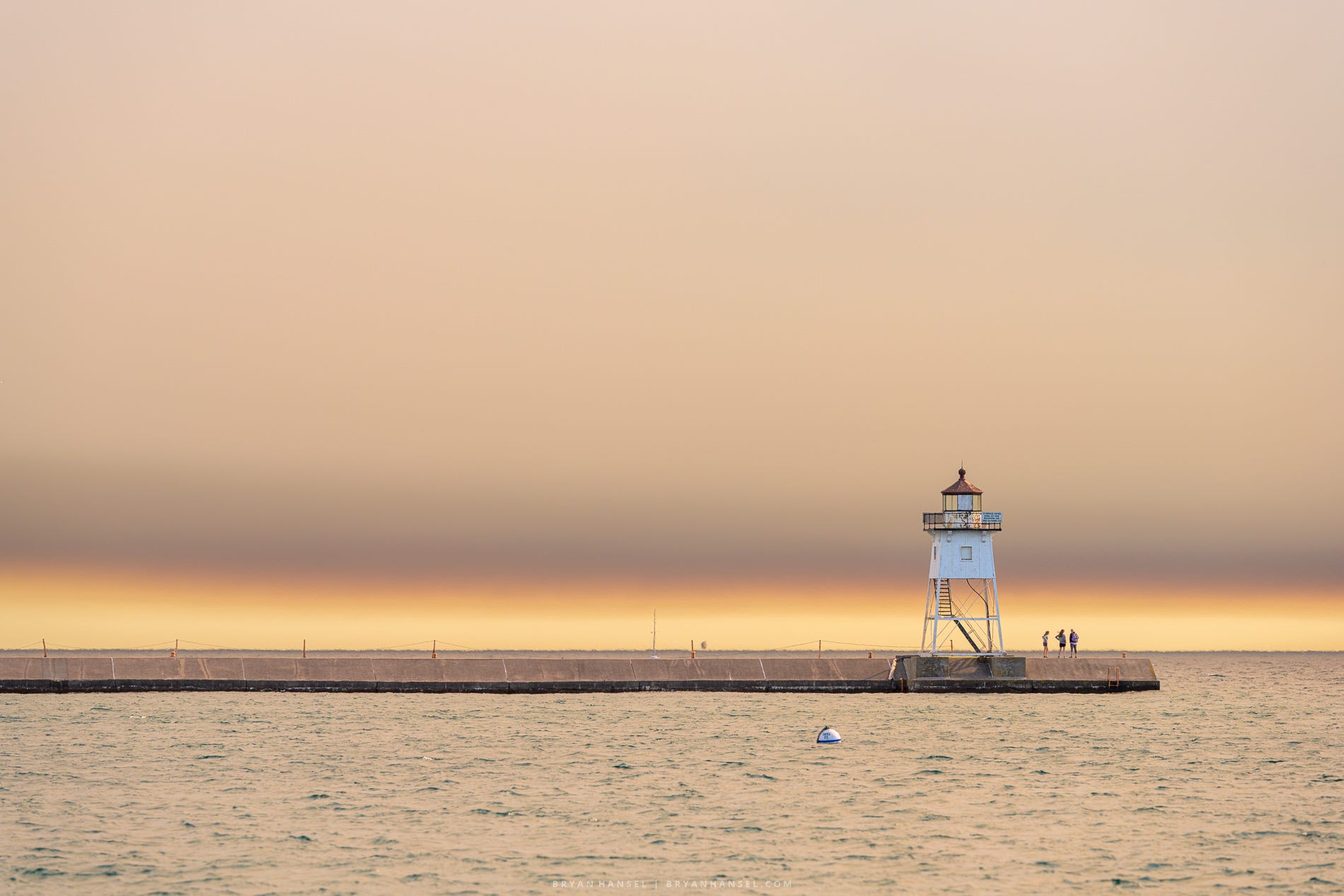
I’ll see you again in two weeks, and until then here is the parting shot.
Your decision not to photograph the wildfires raises an interesting philosophical question about the role of the photographer. Sometimes the most meaningful creative decision is choosing not to document an event at all. It forces us to ask whether every moment needs to be captured, or whether some moments are better experienced than recorded.
Before legions of "citizen journalists," very few people in any given location had the resources to document events and share them on a large scale. Years or even decades later, historians would comb through family photographs and local newspaper archives to reconstruct what had happened. Today, those same events can be seen around the world in less than 24 hours.
I remember my training as a journalist in the early 1980s: Never become part of the story. Never be the story. Don't get in the way, especially if your presence changes the situation you're documenting. The best journalism often happens when people forget you're there.
Many citizen journalists never received that training. Their incentives can be very different, often rewarding attention and engagement as much as documentation. Being part of the story has become common, and sometimes the goal. Hunter S. Thompson's gonzo journalism intentionally blurred the line between observer and participant. What was once a deliberate literary style now, in some ways, resembles the everyday reality of social media.
I have great respect for you to document from a distance and to remind people of the dangers firefighters face. They don't need others in their way unless it's critical. You have made the right decision as a creative photographer, one who is not required to brave the fires to document them as part of the firefighting team.